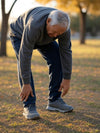
Exercise Guide: Mobility
Articles
Exercise Science & Performance Biology
Exercise is not simply movement — it is a controlled biological signal that influences energy metabolism, hormonal regulation, cellular adaptation, and long-term functional resilience across ages 25 to 75+. Explore science-based knowledge on performance optimization, recovery biology, and metabolic fitness.
Energy Systems: Aerobic and Anaerobic Biology
Human exercise performance is governed by two primary metabolic networks. Aerobic pathways rely on oxygen-dependent mitochondrial ATP production for sustained activity, while anaerobic pathways provide rapid energy output during high intensity effort. Balanced training preserves endurance capacity and power responsiveness.
- Aerobic metabolism supports long duration movement and cardiovascular efficiency
- Anaerobic metabolism enables burst power and high intensity output
- Mitochondrial density influences endurance adaptation
- Substrate flexibility improves metabolic performance
Recovery Biology & Hormonal Balance
Adaptation occurs during recovery, not during exercise itself. Muscle repair, endocrine recalibration, and mitochondrial remodeling are driven by post-training biological signaling. Chronic fatigue and performance decline are often associated with insufficient recovery time or excessive stress load.
Cortisol, growth signaling pathways, and inflammatory mediators interact to determine training outcomes. Optimized sleep, nutrition, and controlled workload progression support adaptive recovery cycles.
Fatigue Science & Cellular Metabolism
Exercise fatigue arises from multiple biological layers including substrate depletion, neural signaling changes, oxidative load accumulation, and mitochondrial efficiency decline. Maintaining metabolic flexibility allows the body to sustain output across varying activity demands.
Long-term exercise engagement supports insulin sensitivity, vascular function, neuromuscular coordination, and systemic inflammatory regulation — factors that influence healthy aging and functional independence.
Exercise Knowledge Library
Explore curated research-inspired articles covering workout biology, recovery optimization, metabolic fitness, and performance longevity across the adult lifespan.
